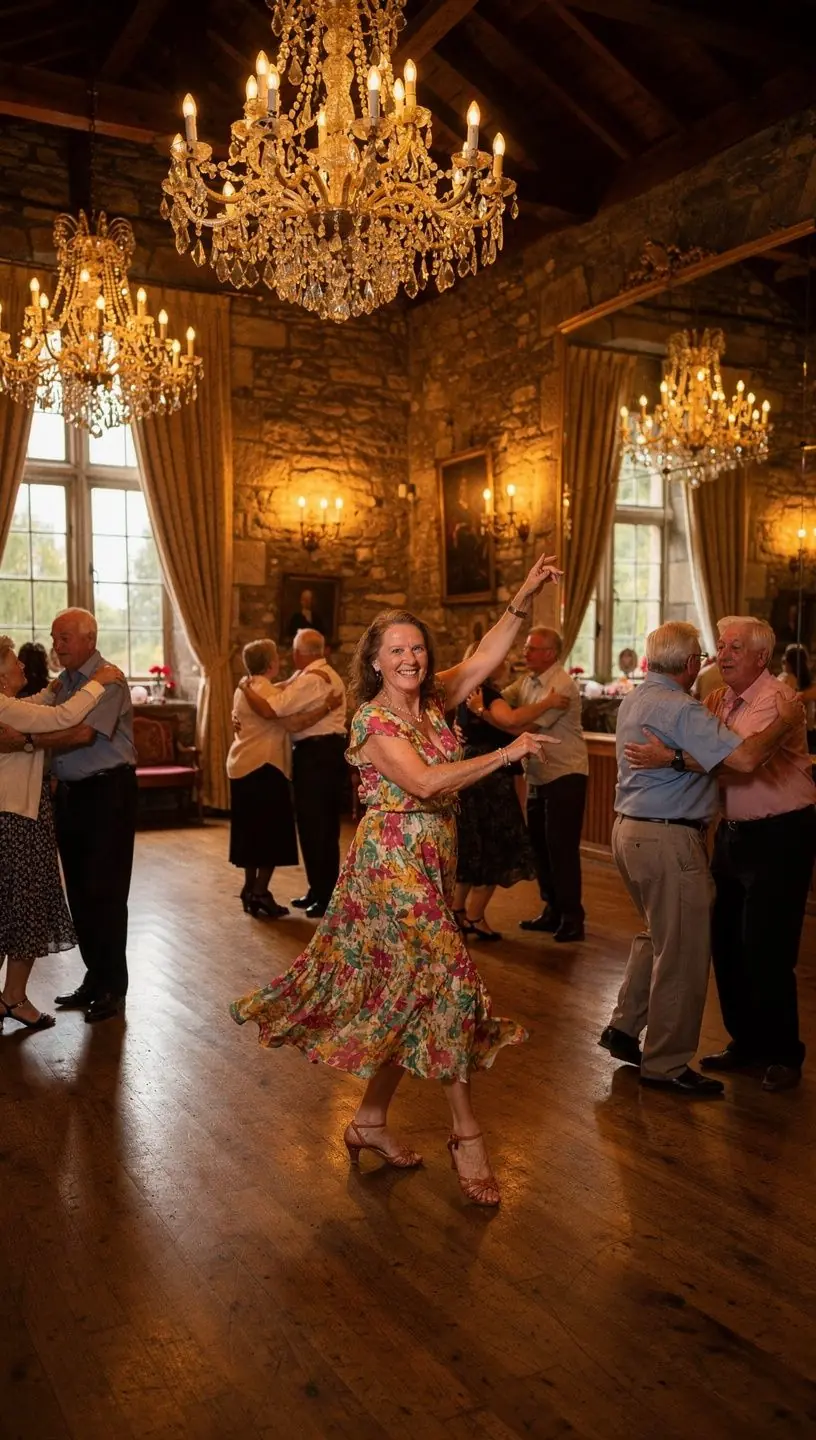
The Importance of Dance Floor Etiquette
When attending evening dance events, understanding and practicing proper dance floor etiquette can greatly enhance the experience for everyone involved. This article explores the significance of these social norms and offers practical tips to ensure that both newcomers and seasoned dancers can enjoy local dance happenings comfortably.
Understanding Dance Floor Etiquette
Dance floor etiquette refers to the set of unspoken rules and behaviors that dancers follow to create a respectful and enjoyable environment. According to social dance experts, adhering to these norms not only facilitates smoother interactions but also contributes to a more enjoyable atmosphere. Typical dance etiquette may include:
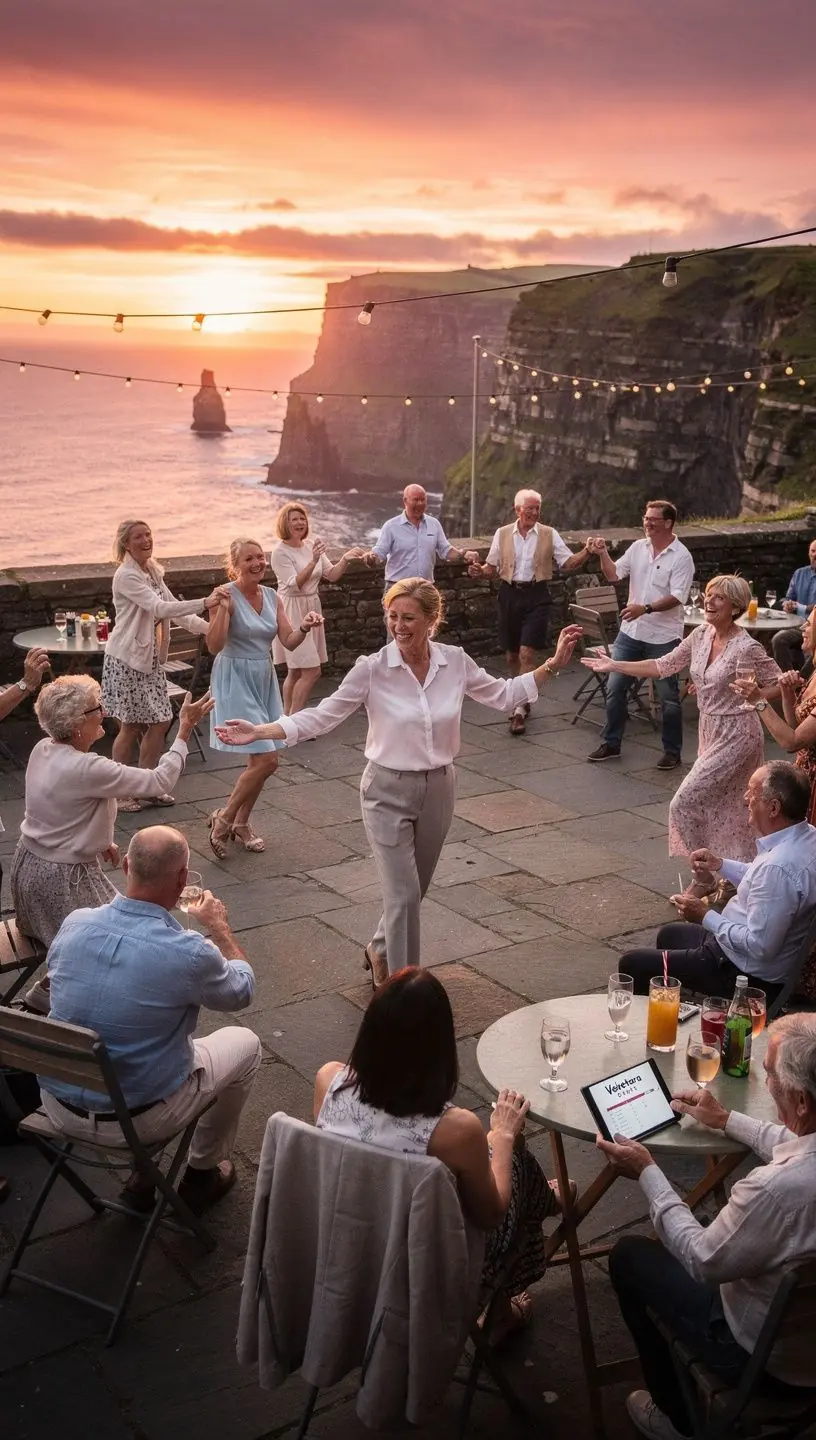
- Maintaining awareness of your surroundings
- Respecting personal space
- Communicating clearly with your partner
- Following the rhythm and flow of the music
"Practicing good dance floor etiquette allows everyone to fully enjoy the experience and fosters a sense of community among dancers."
Why Dance Floor Etiquette Matters
Practicing proper dance etiquette is vital for several reasons:
- Enhances Safety: Being aware of your surroundings helps prevent collisions and ensures a safer dancing experience, especially in crowded venues.
- Promotes Inclusivity: Respecting every dancer, regardless of skill level, creates a welcoming environment that encourages participation in dance community events.
- Improves Dance Quality: When everyone follows etiquette, the overall quality of dancing improves. This can lead to more enjoyable evenings and memorable live dance performances.
Tips for Practicing Good Etiquette
To ensure a positive experience at dance events, consider the following tips:
- Arrive early to familiarize yourself with the dance floor layout and observe the flow of movements.
- Introduce yourself to fellow dancers; social interaction can enhance your experience.
- Be mindful of the genre of dance being performed and adapt your movements accordingly.
- Respect the music choices of others; everyone has their preferences, and being open-minded can lead to new dance opportunities.
Conclusion
In summary, understanding dance floor etiquette is essential for anyone involved in the dance community, whether at seasonal dance events, dance workshops, or social dance nights. By following these guidelines, you contribute to a more enjoyable atmosphere that benefits everyone involved. As you prepare for your next evening dance event, remember that respect and awareness go a long way in fostering a thriving dance culture.